
Why equal representation and a fairer society is so important
The journey to a more just society starts with equal representation.
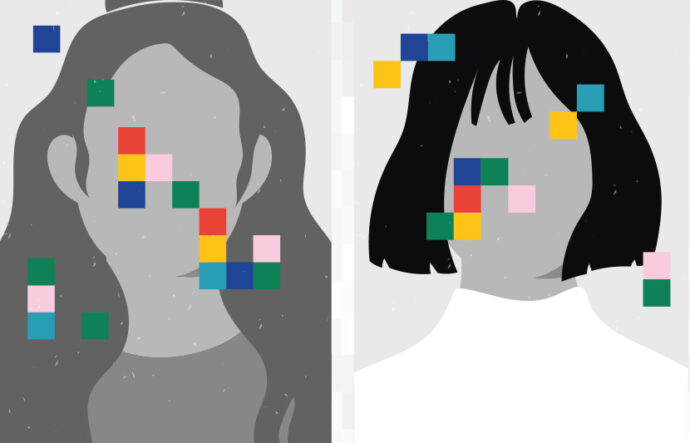
What does it mean for everyone to be ‘equally represented’? We all have certain characteristics that make us who we are, such as our ethnicity, class, or gender identity, to name a few. These aspects don’t necessarily represent the whole of us, but they can deeply impact our life experiences, the chances we get, and the views we hold. Here, we explore why it’s vital that these characteristics are reflected and represented in wider society.
WHAT IS EQUAL REPRESENTATION?
It’s about making sure that every group in society is fairly represented in different spheres of life, such as the media, politics, the police, TV, film, music, healthcare, the legal system, education, publishing… everywhere, in fact.
WHY IT’S IMPORTANT
Historically, lots of groups have been underrepresented in positions of power or influence. For example, in many countries, the numbers of women and people of colour in politics is far fewer than is needed to reflect and adequately represent their communities. This can mean their experiences, knowledge, and concerns about issues that directly affect their lives are less likely to be addressed in laws passed by predominantly white, male governments.
The result can be that inequalities in pay, education, access to healthcare, or senior positions are maintained rather than challenged. This doesn’t always mean lawmakers don’t care, but it’s possible to be unaware of, forget, or underestimate issues that don’t impact you personally or haven’t shaped your life experiences.
A VICIOUS CIRCLE
There’s a saying that ‘you can’t be what you can’t see’, which, when you think about it, makes a lot of sense. There could be many reasons, for instance, why someone aspires to follow a certain career or accomplish certain goals, but if they can’t see people like them succeeding in those areas, they might struggle to picture themselves doing the job or achieving those dreams.
PERSONAL EXPERIENCE
I recognise this situation from my own lived experience. Growing up as a young Black woman in Australia, I rarely saw myself reflected in the media. Whenever I watched TV, the main characters were usually white women with straight hair, a pattern that was repeated in magazines. This meant I viewed myself as very much outside of what mainstream media portrayed as pretty or accepted for a long time.
DAMAGING CONSEQUENCES
Lack of representation can harm aspirations and affect people’s ability to feel accepted or part of the norm. It can also affect self-esteem and make people think they aren’t smart, creative, or beautiful enough for the roles they’d like to take in life, which might lead them to give up on their ambitions. All this can make for a vicious circle, with one generation after the next feeling that they don’t belong.
A VIRTUOUS CIRCLE
When equal representation is championed, the opposite happens. After all, ‘if you can see it, you can be it’ is just as true. Seeing people you identify with in positions you aspire to can be a huge source of inspiration, becoming role models – people whose stories you can relate to, and whose footsteps you can follow.
The election of Barack Obama as President of the US in 2008 didn’t mean the end of racism in America, but it did mean that a generation of Black children grew up with a world leader who looked like them.
And women in power, such as outgoing New Zealand Prime Minister Jacinda Ardern or Ethiopia’s President Sahle-Work Zewde, offer inspiration to girls who aspire to political leadership. It doesn’t mean the struggle for equality is over, but it does indicate that progress is being made.
CHANGING MINDS
Equal representation can help generate change in another way, too. If diversity is present, it challenges those in ‘gatekeeper positions’ (the people deciding who gets the breaks, jobs, and chances) to think more carefully about whether they might hold negative perceptions about a person’s ability to perform in a certain role.
For example, the promotion in 2015 of African-American ballet dancer Misty Copeland to principal dancer at the American Ballet Theatre illustrated to everyone, including gatekeepers, that Black dancers had the talent to rise to the top of an art form that historically lacked representation.
WHY IT’S COMPLICATED
Gaining accurate and fair representation can be tricky. A reason for this is that most people don’t fall into one neat category. The experiences of a white wheelchair user, for example, will be different from that of a person of colour who has restricted mobility. And that experience will differ again depending on the person’s gender identity.
Just because people share certain characteristics it doesn’t mean they will all have the same opinions or needs. It can also be difficult to achieve equal representation – even when the will is there – because the reasons inequality exists in the first place are so deeply rooted.
Diversity is about embracing one another’s uniqueness ~ Ola Joseph
CHANGE WILL COME…
For real, irreversible change, it will be necessary to unpick and transform the organisations and structures within society that disadvantage various groups.
Some of this will come by exploring the past and looking at how these structures were founded and how the stories and achievements of various groups have been neglected, under-represented, and even written out of history. Achieving fair representation isn’t an end in itself, but it is a step in the right direction.
The good news is things are slowly starting to shift. People are becoming more aware of the importance of representation, and education is the first step to change. There’s still a long way to go, but the world’s past, present, and future is made up of many voices. It’s time they were all fully represented.
Words: Banseka Yayembe
WHAT CAN YOU DO TO LEARN MORE ABOUT THE SUBJECT?
- Follow: @_theotherbox on Instagram, for resources and online courses about representation, inclusion, and bias.
- Read: How to Change It: Make a Difference by artist, writer, and political organiser Joshua Virasami, for advice on practical actions to tackle injustice.
- Listen to: History Is Gay – a podcast that explores the lives of inspiring LGBTQ+ people from the past.