
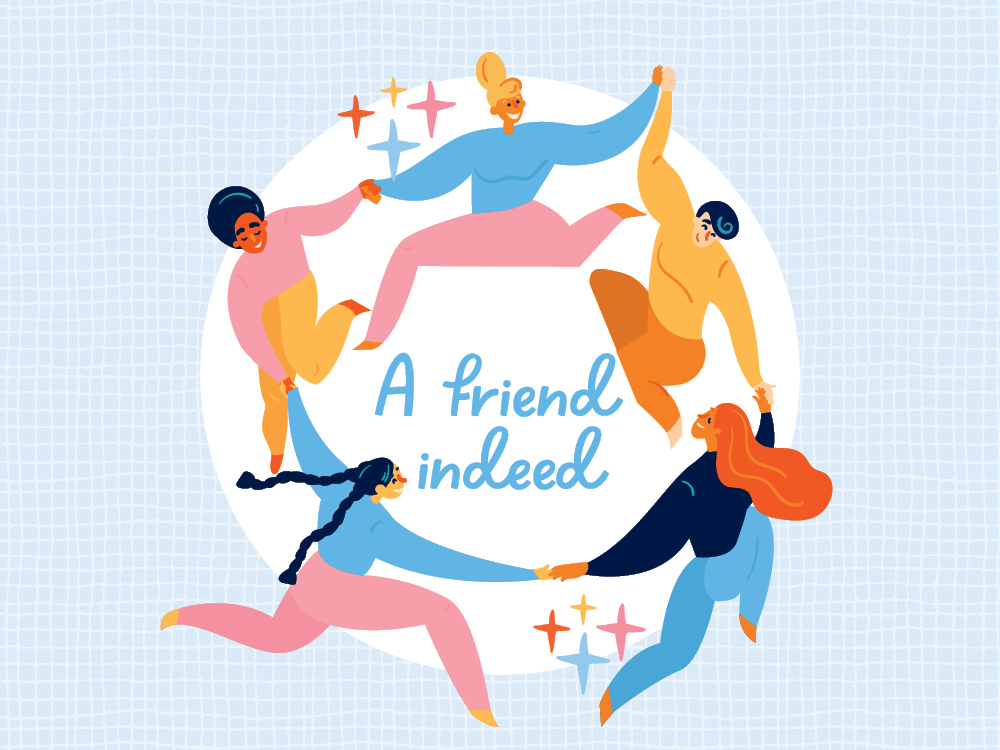
How to handle change in your friendship group, especially if it makes you feel unsettled
1. BE FRIENDLY
First up, when it comes to new people joining your group, it’s helpful to ask yourself if you have a genuine reason to be upset, or if it’s more to do with you feeling afraid that things might change. If you think you’re worrying too much, flip your negative thoughts and instead of being wary of someone, be kind and welcoming. Imagine how you’d feel if you were new somewhere and think how you’d like to be treated. It could be that they stay in your friendship circle for a while as you become closer, or they might find other mates and move on. Either way, do your best to be friendly, and remember there’s every chance they’re probably feeling as nervous as you are.
2. KEEP AN OPEN MIND
Secondly, know that you’re not alone if you’re struggling to cope with the disruption to your routine. Changes in friendship groups can be unsettling, especially if everything had been going well beforehand. If you’re concerned things might feel awkward or different, or that you might become jealous if a new person joins your circle, remind yourself that friendships evolve throughout life – it’s natural. If you take time to get to know the new person, you could discover they have hobbies you share or interests you’d like to know more about, so the group dynamics might become even more interesting. You can’t stop your friends having new people in their lives – or vice versa – so try to see encounters with fresh faces as an exciting opportunity.
3. WIDEN YOUR CIRCLE
The third tip looks inward and involves tact and diplomacy. If your best friend seems to stop being interested in you and appears to be investing all their time in a new pal, take time to think about the situation before rushing to confront them. Ask yourself if they’re really ignoring you or just widening their circle? Having different friends is a positive thing, so if it’s the case that they’re welcoming new people into the fold, try to make peace with it and have a think about how you can make other mates, too. This doesn’t mean giving up on your best friend but recognising that they – and you – will have a mixture of pals and they’ll enhance your life in different ways.
4. KNOW YOUR WORTH
And finally, friends are amazing and can carry you through good and bad times, but you’re not defined by others, and you deserve people who want to be in your life. Everyone changes, and there might come a time when a friend no longer wishes to spend time with you. But even if you can’t change their mind, you can choose how to react. Keep your head held high, walk tall, and stay true to your authentic self. It might be tempting to change your style, interests, or behaviour to remain in their circle, but remember that real friends value you for who and what you are. They would never knowingly encourage you to behave in ways that make you feel uncomfortable or fake.
5. CLOSE CALL: Understanding friendship can change
If you think your best friend is blanking you, or that you’ve been replaced by a newcomer, tread carefully. You might want to speak to someone who knows you both – it could help to talk through the situation with them. Perhaps send your friend a message inviting them for a chat. It could be they haven’t realised that you’re hurt or confused, so when you do meet up there won’t be an issue at all. But if things do seem awkward, calmly explain you’re missing them or feeling left out and ask if everything’s OK. You might be able to patch it up with a hug and a laugh, but it could be that your best friend – and your friendship – has changed. This isn’t your fault, so don’t blame yourself and try not to take it personally. Sometimes people just need to try different things. Even though you might be upset, do your best not to say anything mean. Remain calm, keep true to yourself, and leave the friendship open. You might stay friends, become best pals again, or drift apart, but for now focus on yourself and your other friendships and look to the future.
If you’re finding it difficult to deal with a change in your friendship group and are feeling anxious or unhappy about it, try talking to a trusted adult or teacher, or contact a service such as kidshelpline.com.au.
Words: Donna Findlay